Gatecrashing 101: Traditions, Games and Etiquette Explained
Gatecrashing (门口游戏, mén kǒu yóu xì) is the segment of a Chinese wedding morning where the groom and his groomsmen must complete challenges set by the bridesmaids before they are allowed into the bride's home to fetch her. It typically runs for 30 to 60 minutes and is meant to be fun, slightly embarrassing for the groom, and warmly memorable for everyone watching. If you are the bride or groom reading this the week before your wedding, here is everything you need to know to get through it without drama.
What actually happens during gatecrashing?
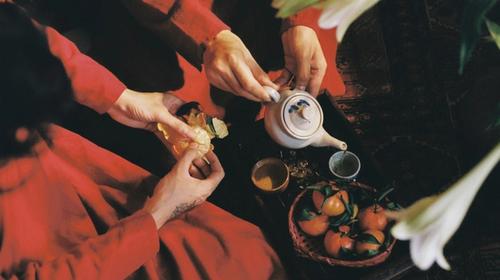
The groom arrives at the bride's door, usually between 7 am and 9 am, with his groomsmen and sometimes close male relatives. The bridesmaids block the entrance and run a series of games or dares. Each challenge the groom fails (or chooses to skip) typically costs him a red packet (ang bao). Once the bridesmaids are satisfied, they open the door. The groom then presents the bride with her bouquet, they do the tea ceremony with her family, and they leave together.
The whole sequence feeds directly into your photographer's and videographer's schedule, so any overrun pushes every other event. Keep that in mind when setting the difficulty level.
Who plans the games?
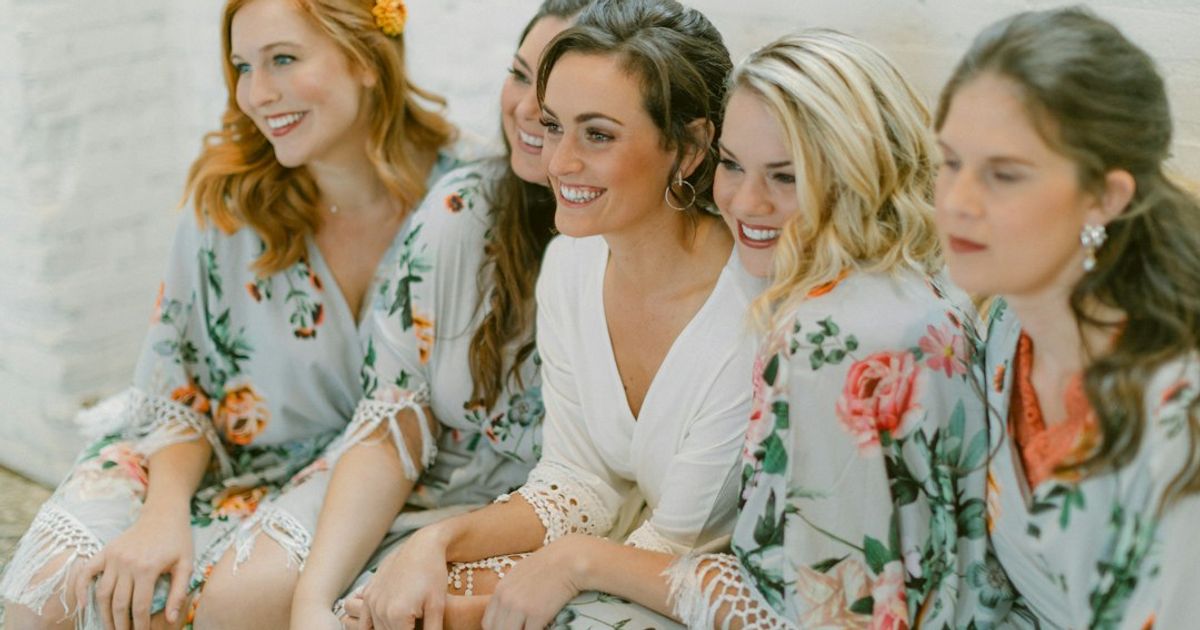
The bridesmaids plan and run the games. It is their job, and it is also their gift to the couple. The maid of honour usually coordinates the group in the weeks before.
As the bride, brief your bridesmaids on two things: what the groom genuinely finds embarrassing (useful) and what is off-limits (essential). Common off-limits areas include health conditions, sensitive family topics, and anything that would look bad on camera. You are in charge of setting the tone.
The groom should prepare ang bao packets in advance. A useful range is S$8 to S$28 per packet, in auspicious denominations. How many to bring is up to the couple, but the groomsmen should carry extras as backup. [INSERT: confirm current community norms on ang bao amounts with your families.]
What kinds of games are typical?
Games fall into a few broad categories:
Physical or taste challenges. The groom drinks or eats something unpleasant, does push-ups with the bride's name spelled out, or completes an obstacle course.
Knowledge tests. The bridesmaids quiz the groom on the bride: her shoe size, her mother's name, how she takes her coffee. Getting it wrong costs an ang bao. Getting it right wins him points with the in-laws watching.
Declarations and performances. The groom sings a love song, recites a poem, or writes a declaration of love in chalk on the void deck. These photograph well and tend to age gracefully.
Door puzzles. Clues are slipped under the door, and the groom must solve them to get the next instruction.
A well-paced session mixes one or two harder challenges with a couple of easier wins so the groom is not completely destroyed before the actual wedding day begins.
How do you keep gatecrashing from running too long?
Set a hard end time when you brief your bridesmaids, and tell your photographer so they know when to expect you to leave the house. Thirty to forty-five minutes is plenty. Much beyond an hour and fatigue sets in, the family gets restless, and your photo timeline suffers.
If your solemnisation or lunch is early, communicate that deadline clearly. Your day-of coordinator can hold the schedule and give a five-minute warning signal to wrap things up.
What is the etiquette for ang bao amounts?
There is no fixed rule, but amounts should be auspicious: S$8, S$18, S$28, S$88. Avoid S$4, which sounds like "death" in Mandarin and Cantonese. The bridesmaids negotiate; the groom pays or counter-offers. It is a performance of generosity, not a financial transaction.
The groomsmen should bring a float of small-denomination ang bao so the groom is not fumbling with large notes. Prepare at least ten packets.
Does gatecrashing apply to all races and religions?
Gatecrashing in this form is a Chinese cultural tradition and is most common in Chinese Singaporean weddings. Malay weddings have their own berinai and akad nikah rituals, which have a different structure entirely. Indian weddings similarly follow their own pre-wedding customs. If you are having an interfaith or multicultural wedding, discuss with both families which traditions you want to honour and where to blend or adapt.
What should the groom bring on the morning?
A short checklist:
- Bouquet for the bride (usually collected from the florist the evening before or early that morning)
- Ang bao packets for the games, carried by the groomsmen
- Combs, a mirror, and the "hair-combing" kit if your family observes that ritual before leaving
- His wedding-day outfit, changed before arrival or at the bride's home
- Any gifts or items required by the bride's family for the door-opening ritual
Brief your photographer and videographer on the home layout the day before so they can position themselves for the door-opening moment, which happens only once.
Frequently asked questions
What time should gatecrashing start? Gatecrashing typically starts between 7 am and 9 am on the wedding morning, timed so the couple can complete the tea ceremony at the bride's home and arrive at the groom's parents' home for a second tea ceremony before the lunch or dinner banquet. Work backwards from your banquet start time, allow at least 30 to 45 minutes for gatecrashing and 30 to 45 minutes for each tea ceremony, and build in travel time. Your actual start time depends entirely on your day's schedule.
Can the groom refuse to do a game? Yes, but refusing usually means paying a larger ang bao to skip. The bridesmaids set the price. In practice, doing the game (even badly) makes for better photos and memories than paying out. Encourage the groom to attempt everything unless a game crosses a line agreed with the bride beforehand.
Should the bride be visible during gatecrashing? Traditionally, the bride waits in her room with the door closed while gatecrashing happens outside. She should not help the groom by shouting answers through the door, though most families bend this rule with good humour. She can usually hear everything and will be told what is happening by a bridesmaid posted inside with her.
Who pays for the ang bao packets used in gatecrashing? The groom pays. He and his groomsmen prepare the packets in advance. Any ang bao collected by the bridesmaids is theirs to keep as a token of appreciation for organising the games. It is not a significant sum and is treated as a fun custom rather than a formal expense.
What if the bride's home has no space for outdoor games? Adapt the games to the space. Corridor challenges, door-puzzle clues slid under the door, and quiz-format games work in any flat or landed property. Bridesmaids planning the session should visit or ask about the layout in advance so they are not improvising on the day.
The key to a smooth gatecrashing morning is a short brief between the bride, bridesmaids, and photographer at least a week before the wedding. Agree on the tone, set the time limit, and prepare the props. Everything else can be improvised. If you want someone to hold the schedule so nobody loses track of time, a day-of coordinator is worth the investment on a morning this packed.